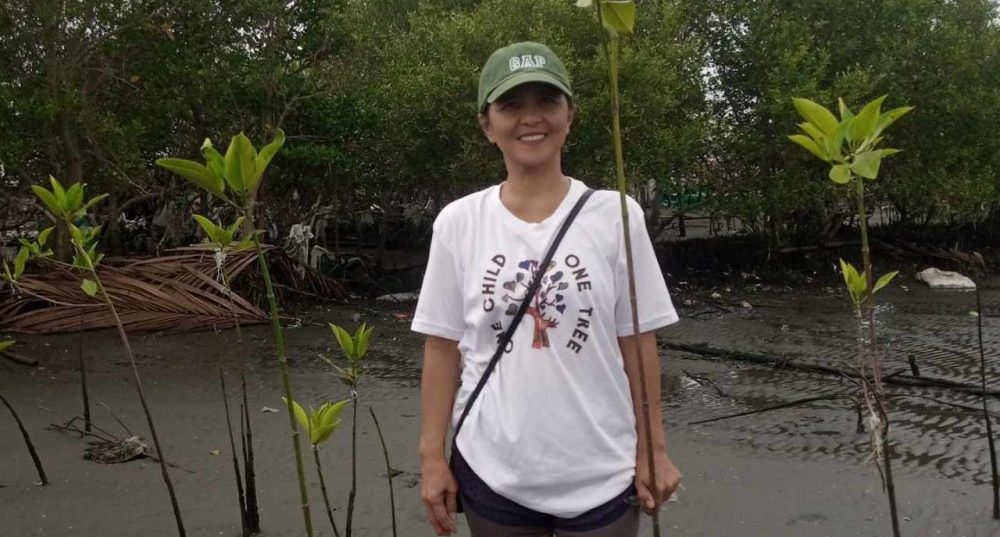
On August 3, 2024, Concentrix reaffirmed its dedication to environmental sustainability by conducting tree-planting activity at the Laguna-Quezon Land Grant. This initiative is part of Concentrix’s broader “One Earth, One Tree Nation” campaign, which aims to address pressing environmental issues such as deforestation, biodiversity loss, and climate change. The event marked the planting of approximately 3,000 native Philippine trees, making a substantial contribution to the reforestation efforts in the Sierra Madre, one of the most important mountain ranges in the Philippines for biodiversity and climate regulation.


The Impact of Native Tree Species on Ecosystems
The selection of tree species for this reforestation project was carefully curated to include 100 Agusip, 200 Kalumpit, 200 Wild Rambutan, 100 Lawaan, 1,000 Kupang, 400 Marang, 160 Palong Maria, 450 Kisubing, 100 Apitong, and 300 Lipote seedlings. These native species play a crucial role in restoring the natural habitats of the Sierra Madre. For instance, trees like Kalumpit and Lawaan are known for their resilience and ability to thrive in local conditions, which makes them ideal for long-term reforestation efforts. Additionally, species like Wild Rambutan and Marang not only contribute to the ecosystem’s biodiversity but also provide food sources for wildlife, further supporting the restoration of natural habitats.
By focusing on native species, Concentrix and its partners ensure that the reforestation efforts are sustainable and in harmony with the local environment. These trees will help stabilize the soil, prevent erosion, and improve water quality in the area. Moreover, they contribute to the carbon sequestration process, playing a crucial role in mitigating the impacts of climate change.


The Role of Collective Action in Environmental Sustainability
The tree-planting activity saw participation from volunteers across Concentrix, the UPLB-LGMO team, and various environmental advocates. This collective effort is a powerful demonstration of how communities and organizations can work together to address environmental challenges. By involving a diverse group of participants, the initiative not only planted trees but also fostered a sense of shared responsibility for environmental stewardship. This sense of community is essential in driving long-term environmental action, as it encourages individuals to remain engaged in sustainability efforts beyond a single event.


Concentrix’s “One Earth, One Tree Nation” Campaign
The “One Earth, One Tree Nation” campaign has been a cornerstone of Concentrix’s sustainability initiatives. It is designed to combat deforestation, enhance biodiversity, and mitigate climate change through the simple yet impactful act of planting trees. Since its inception, the campaign has promoted ecological awareness among employees, partners, and the broader community. By taking an active role in environmental conservation, Concentrix is not only contributing to the health of the planet but also setting an example for other corporations to follow.
The campaign’s success lies in its ability to translate awareness into action. Each tree planted under this initiative represents a step towards a more sustainable future. Trees are vital to our planet’s health, providing oxygen, improving air quality, conserving water, preserving soil, and supporting wildlife. Through the “One Earth, One Tree Nation” campaign, Concentrix is helping to restore degraded ecosystems, support local communities, and create a more resilient environment for future generations.


Long-Term Benefits and Corporate Responsibility
The enthusiasm and commitment of the participants in the tree-planting activity underscore the long-term benefits of such initiatives. Planting trees is not just about immediate environmental impact; it is an investment in the future. Over time, the trees planted will grow and develop into forests that provide habitat for wildlife, enhance the local climate, and offer resources for local communities. These long-term benefits are a testament to the positive impact that corporate initiatives can have on the environment and society.
Concentrix’s efforts in the Laguna-Quezon Land Grant serve as a powerful reminder of the role that corporations can play in environmental conservation. As a proactive corporate citizen, Concentrix is setting a standard for how businesses can integrate sustainability into their operations and community engagement. The company’s dedication to sustainable practices goes beyond corporate social responsibility; it is a commitment to the planet and future generations.

The tree-planting activity at the Laguna-Quezon Land Grant is more than just an environmental initiative; it is a symbol of collective action and shared responsibility. Through the “One Earth, One Tree Nation” campaign, Concentrix is making a tangible difference in the fight against climate change, deforestation, and biodiversity loss. This initiative highlights the power of collective action and the critical role that organizations can play in driving environmental sustainability. As these trees grow, they will stand as a living testament to what can be achieved when we come together to protect and preserve our planet for future generations.
Empowering Communities: The Latest in Community-Based Forestry in the Philippines
In the Philippines, community-based forestry (CBF) has emerged as a powerful tool for both conservation and sustainable development. Empowering local communities to become stewards of their forests, CBF initiatives have gained momentum in recent years, bringing about positive changes in forest management practices and enhancing the well-being of forest-dependent communities. Here’s an update on the latest developments in community-based forestry across the archipelago.
Strengthening Local Governance
One of the key advancements in community-based forestry in the Philippines is the strengthening of local governance structures. Through devolved forest management agreements and community-based forest management agreements (CBFMA), indigenous peoples and local communities are granted rights to manage and protect forest resources within their ancestral domains or designated areas. This decentralization of forest governance empowers communities to make decisions that are aligned with their cultural values and socio-economic priorities.
Promoting Sustainable Livelihoods
CBF initiatives in the Philippines prioritize the promotion of sustainable livelihoods for forest-dependent communities. By diversifying income-generating activities such as agroforestry, eco-tourism, non-timber forest product (NTFP) harvesting, and community-based enterprises, CBF not only reduces dependence on forest resources but also improves socio-economic resilience. These initiatives are often complemented by capacity-building programs and technical assistance to enhance the skills and knowledge of community members.
Enhancing Ecosystem Resilience
In addition to socio-economic benefits, community-based forestry contributes to the conservation and restoration of forest ecosystems. By implementing sustainable forest management practices, including reforestation, watershed protection, and biodiversity conservation measures, communities play a vital role in enhancing ecosystem resilience and mitigating the impacts of climate change. Furthermore, indigenous knowledge and traditional practices are integrated into forest management plans, ensuring the preservation of cultural heritage and biological diversity.
Challenges and Opportunities
Despite the progress made, community-based forestry in the Philippines still faces challenges such as limited access to resources, insecure land tenure, conflicting land uses, and inadequate support from government agencies. However, there are also opportunities for innovation and collaboration. Strengthening partnerships between government, civil society, academia, and the private sector can help address these challenges and scale up successful CBF models.
Looking Ahead
As we look to the future, community-based forestry holds immense potential for fostering sustainable development and environmental stewardship in the Philippines. By recognizing the rights of indigenous peoples and local communities, promoting participatory decision-making processes, and integrating traditional knowledge with modern science, CBF can pave the way for inclusive and resilient forest management practices that benefit both people and the planet.
Community-based forestry is not just about managing forests; it’s about nurturing relationships between people and nature, fostering a sense of belonging, and building a brighter future for generations to come.
References:
- DENR. (Department of Environment and Natural Resources). (2022). Community-Based Forest Management.
- World Agroforestry (ICRAF). (2022). Community-Based Forest Management in the Philippines.
- USAID Philippines. (2022). Philippines Sustainable Forest Management Project.
Catholic Relief Services (CRS). (2022). Community-Based Forest Management.
On Carbon Sequestration and Planting
Storing carbon is only one of the ways that trees could affect climate, says Cat Scott, an atmospheric scientist at the University of Leeds in England who was not involved in the research. Just how these other factors play off each other is not yet clear. She and colleagues have developed computer simulations of trees contributing to cooling a landscape by releasing airborne molecules that invite clouds to form.
Even something as simple as the darkness of tree leaves can change how much heat a landscape absorbs or reflects. Expanding forests into formerly snow-bright, reflective zones, for instance, might warm them. In the tropics, however, the enhanced cooling from clouds might be the more powerful effect.
Ultimately, in the struggle against climate change, such heroic tree planting merely “buys us time,” says study coauthor Jean-François Bastin, also an ecologist at ETH Zurich. But that’s time human societies could use to stop emitting greenhouse gases, the real solution to climate change, he says.
Source: https://www.sciencenews.org/article/planting-trees-could-buy-more-time-fight-climate-change-thought
CONTACT FEED
In 2015, the Philippine government submitted to the United Nations the country’s commitments to reduce greenhouse gas emissions. The country committed to reduce its carbon emissions by 70 percent by 2030. The carbon dioxide reductions will come from the sectors of energy, transport, waste, forestry and industry.

FEED runs a number of Students and Volunteers for the Environment (SAVE); Corporate Social Responsibility (CSR) – such as mangrove planting for coastal protection or ridge reforestation plantings; One Child, One Tree; Bio-Intensive Gardens (BIG) for nutrition in public elementary schools and other spaces; Climate Change Survival 101 and other LIVING LEGACY programs – customised environmental engagement activities for individuals and organisations interested in contributing to climate change adaptation efforts and greening critical areas such as watersheds, ridges, and reefs that all require rehabilitation.
Join us! Help us reverse the Earth’s “hothouse climate” tipping point.
Tree-Planting with FEED
Check out the video journey by Clueless Commuter who planted with us last 24th of June 2017 to get a good idea of how FEED plantings go: https://youtu.be/KROn4rjVqBg

Contact us at FEED for more details, to join our regular activities or to design your own tree-nurturing event: info@feed.org.ph or call/text +63 (0)917 552 4722.
© Fostering Education & Environment for Development, Inc.