
 Last November 24, 2024, the crisp morning greeted participants with a clear sky—a stark contrast to the usual micro weather conditions in the Sierra Madre, where rain showers and strong winds are the norm. Micro weather in mountainous regions is shaped by the elevation and forest cover, often creating localized weather patterns distinct from surrounding lowland areas. The dense vegetation in these areas retains moisture, resulting in frequent precipitation and cooler temperatures. This unique climate supports the biodiversity of the region but also challenges any large-scale reforestation efforts due to its unpredictability. Despite these natural obstacles, 50 ecowarriors from UPS Parañaque arrived with determination and planted 500 native Philippine trees, including 100 Kupang, 150 Malaruhat, 50 Agusep, 50 Marang, 50 Lipote, and 100 Apitong, contributing to the rehabilitation of the Sierra Madre.
 Native Philippine trees are vital to preserving the country’s unique ecosystems. These endemic species are naturally adapted to local conditions, requiring less maintenance while providing robust resistance to pests and diseases. They restore biodiversity by creating habitats for endemic wildlife and improve soil quality through nutrient cycling. Planting native trees ensures the longevity and sustainability of reforestation efforts by maintaining the delicate balance of forest ecosystems. Additionally, these trees play a critical role in mitigating climate change by sequestering carbon and stabilizing slopes, reducing erosion and protecting water sources. Their contributions extend beyond ecological benefits, as they form part of the cultural heritage of the Philippines, preserving the natural identity of its landscapes. Reforestation with native trees, therefore, is not just an environmental strategy but a way of sustaining life and culture for future generations.
 Before the day’s activities, ecowarriors from UPS Paranaque participated in lively morning exercise led by Rose Bocado of the Laguna Quezon Land Grant team. This was followed by a heartfelt message from Anne Marie Bakker of FEED, Inc., who emphasized the program’s goal of restoring forest landscapes with native trees. The initiative targets flood reduction, slope stabilization, and overall ecosystem health by focusing on upland restoration. She highlighted the program’s Ridge to Reef strategy, which extends beyond tree planting to include mangrove and coral restoration, ensuring the interconnectedness of ecosystems from mountains to coastal areas. This approach not only protects natural environments but also fosters thriving communities by offering alternative livelihoods, empowering locals to become facilitators of conservation efforts. Through such programs, a sustainable cycle of restoration and stewardship is cultivated.


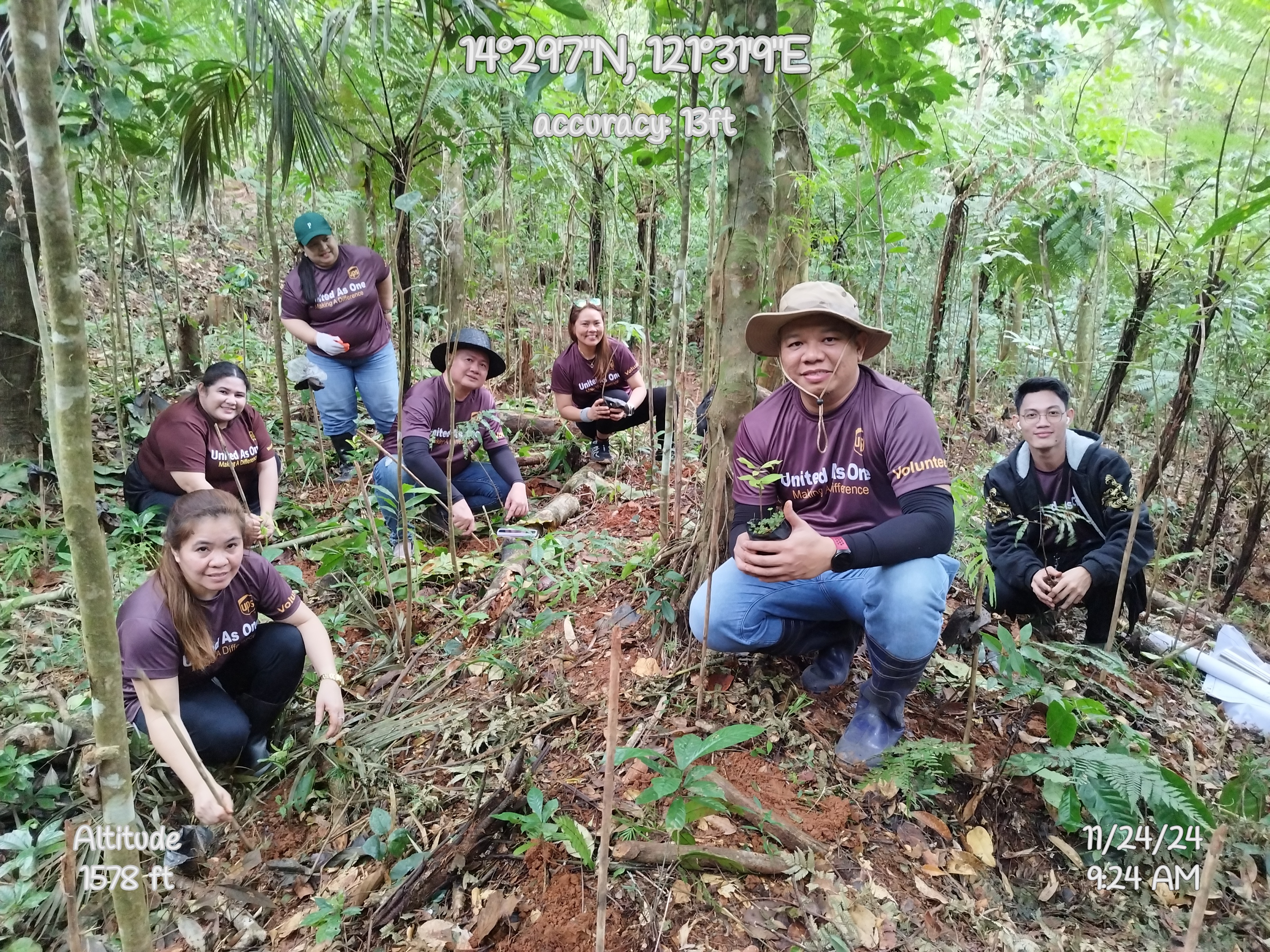 The mutual relationship between humans and nature: environmental recovery benefits both parties. Healthy forests act as natural barriers, mitigating the impacts of typhoons and extreme weather events. The Sierra Madre, known as the “backbone of Luzon,” exemplifies this role, protecting the region from the strongest typhoons. However, climate change intensifies these natural disasters, making forest conservation even more urgent. By nurturing nature, communities not only ensure ecological stability but also fortify their resilience against climate challenges. Indeed, humanity’s fate is intricately tied to the health of the planet.


 Collective action is the cornerstone of meaningful environmental change. When individuals come together, their combined efforts magnify the impact, proving that collaboration is essential for tackling global challenges. The reforestation event exemplified this principle, as participants from diverse backgrounds united with the local community to achieve a common goal. Their actions reflected a shared commitment to safeguarding the Sierra Madre’s natural treasures while addressing the broader implications of climate change. By working collectively, the ecowarriors of UPS Parañaque showed that even small contributions, when pooled together, can yield significant results.
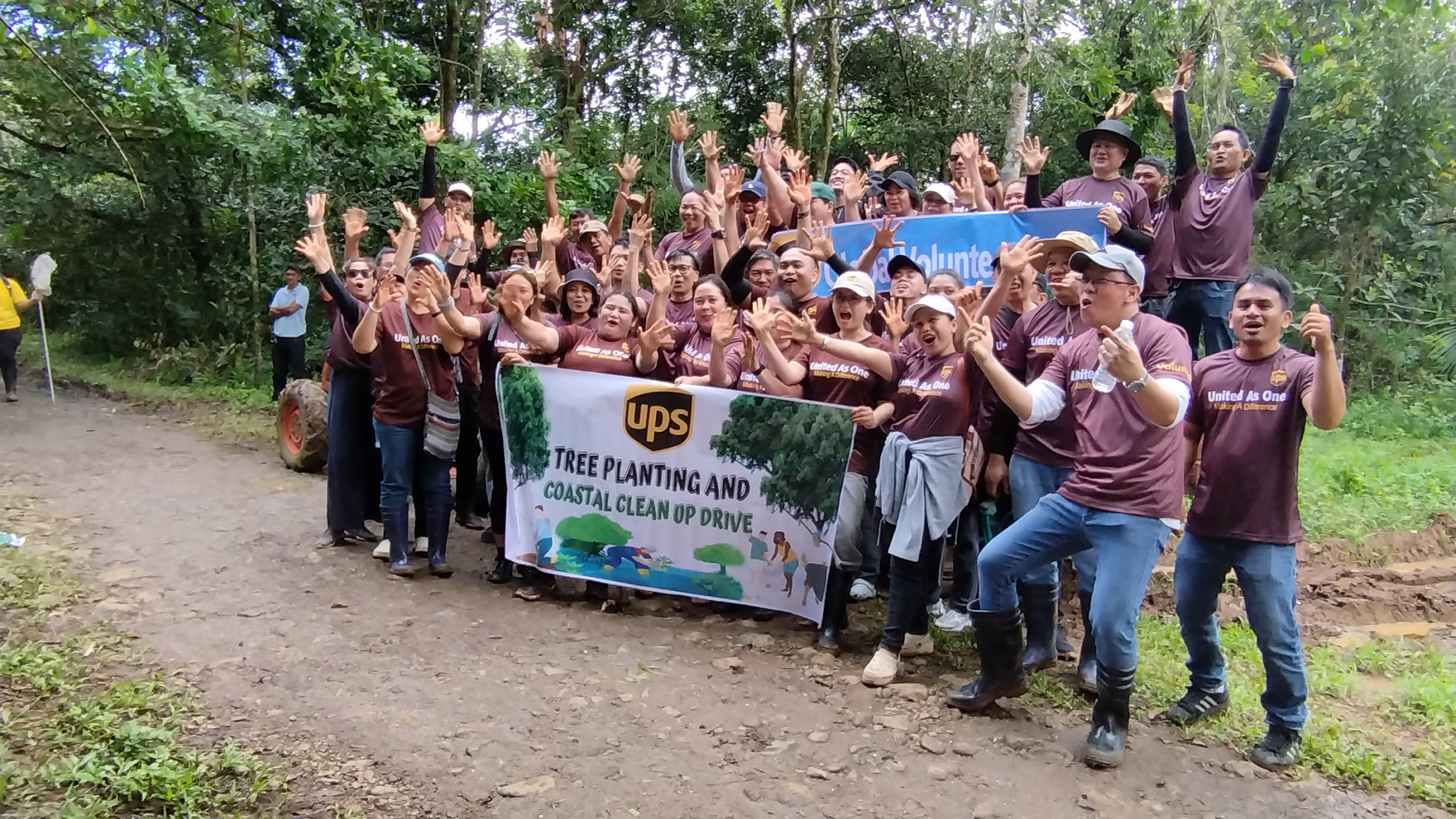
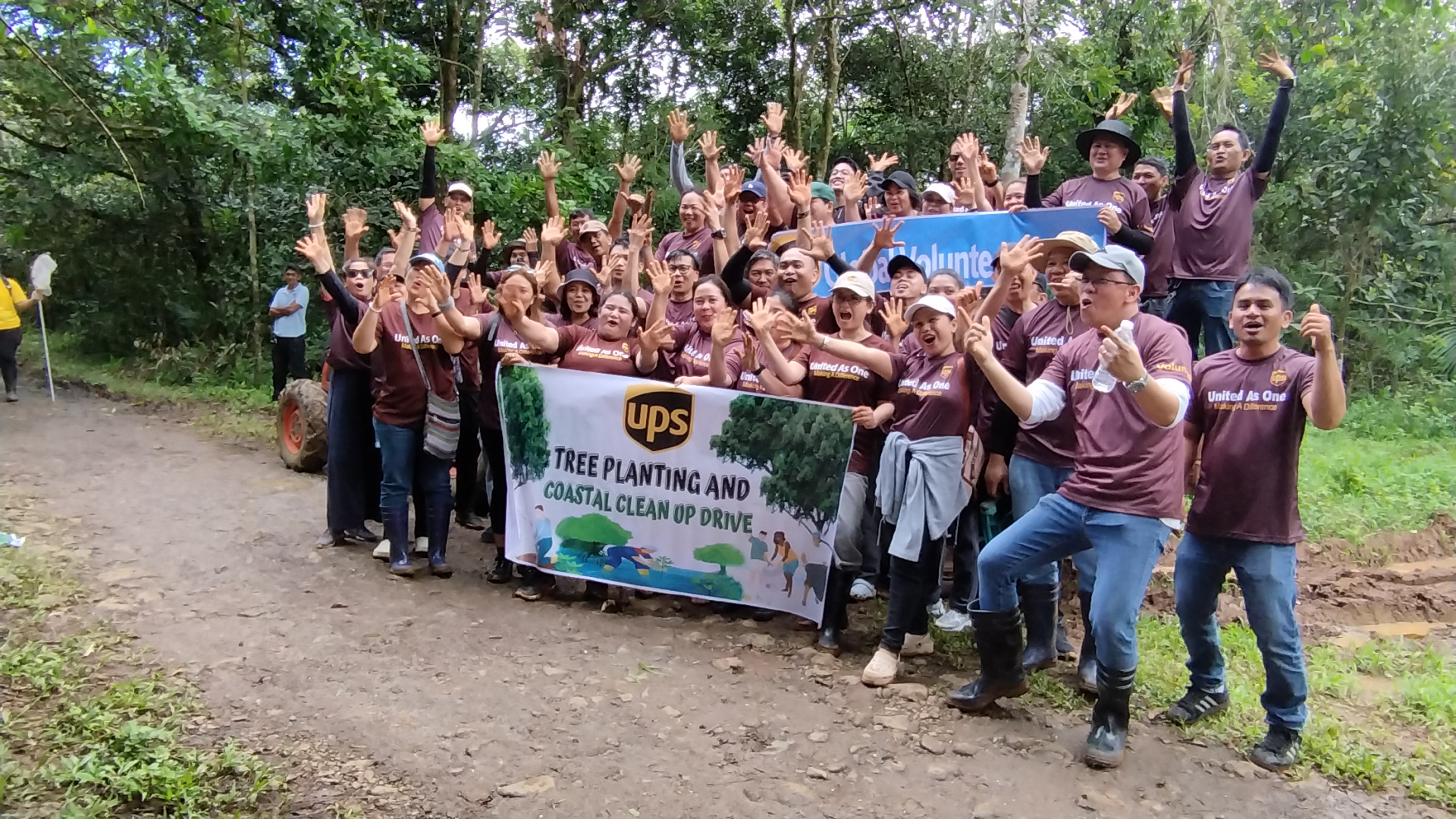 Deep appreciation is extended to the dedicated participants from UPS Parañaque, whose commitment and enthusiasm brought this initiative to life. Special thanks go to the local community, especially the mothers who prepared a sumptuous lunch that nourished everyone’s spirits after a productive day. Heartfelt gratitude is also extended to the Forest Guardians, led by Forester Rey Lorida and assisted by Rose Bocado, who facilitated the event with unwavering dedication. Together, their efforts have left a living legacy of hope and renewal for both nature and future generations.
Photo Library:


About UPS
 UPSers know that doing good in the world is also good for business. This has been a core value for our company for 115 years. Our latest Sustainability Report highlights the progress we’re making toward important goals that deliver “good” in the world, including achieving 100% carbon neutrality by 2050, and striving toward 30% women in full-time management globally and 40% ethnically diverse full-time management in the United States by 2025.
We have planted 28M trees since 2012 toward our goal of 50M trees by 2030.
For more details, visit: https://about.ups.com
 About the International Tree Foundation

The International Tree Foundation is a charity working with local communities to plant trees and restore forests in places where, together, we can make the fastest, most lasting impact for communities and the future of our planet. For more details, visit:
https://www.internationaltreefoundation.org
CONTACT FEED
In 2015, the Philippine government submitted to the United Nations the country’s commitments to reduce greenhouse gas emissions. The country committed to reduce its carbon emissions by 70 percent by 2030. The carbon dioxide reductions will come from the sectors of energy, transport, waste, forestry and industry.

FEED runs a number of Students and Volunteers for the Environment (SAVE); Corporate Social Responsibility (CSR) – such as mangrove planting for coastal protection or ridge reforestation plantings; One Child, One Tree; Bio-Intensive Gardens (BIG) for nutrition in public elementary schools and other spaces; Climate Change Survival 101 and other LIVING LEGACY programs – customised environmental engagement activities for individuals and organisations interested in contributing to climate change adaptation efforts and greening critical areas such as watersheds, ridges, and reefs that all require rehabilitation.
Join us! Help us reverse the Earth’s “hothouse climate” tipping point.
Tree-Planting with FEED
Check out the video journey by Clueless Commuter who planted with us last 24th of June 2017 to get a good idea of how FEED plantings go: https://youtu.be/KROn4rjVqBg

Contact us at FEED for more details, to join our regular activities or to design your own tree-nurturing event: info@feed.org.ph or call/text +63 (0)917 552 4722.
© Fostering Education & Environment for Development, Inc.