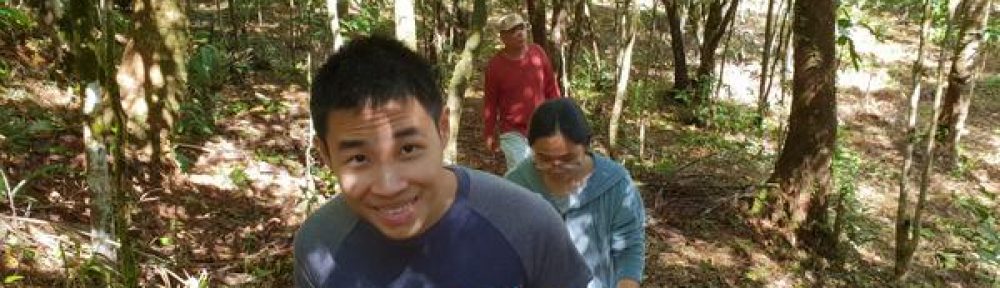
 14 Dec 2024, UP Laguna Quezon Land Grant, Siniloan, Laguna. On December 14, 2024, under the overcast skies of the Sierra Madre, a meaningful tree-planting initiative took place. The mountain’s unique microclimate, characterized by rapid shifts in temperature, humidity, and wind patterns, presented both challenges and rewards for the reforestation effort.
Amidst this dynamic environment, 30 dedicated volunteers from UP ABM gathered with a shared mission: to contribute to the restoration and preservation of the forest by planting 150 native Philippine tree seedlings. Their collective effort saw the planting of 5 Balitbitan, 60 Maraluhat, 10 Malasantol, 10 Igang, 10 Apitong, 45 Tungog, and 10 Marang. These endemic species are essential to maintaining ecological balance and enhancing the resilience of the forest ecosystem.
Reforesting with native trees plays a crucial role in biodiversity conservation and habitat restoration. Unlike non-native species that may disrupt local ecosystems, indigenous trees are naturally adapted to the environment, making them more sustainable. These trees provide shelter and food for wildlife, regulate local temperatures, enrich soil fertility, and prevent erosion through their extensive root systems. Additionally, they help conserve water resources by improving groundwater retention, ensuring a stable water supply for both ecosystems and human communities.
Beyond these ecological benefits, native trees significantly contribute to mitigating climate change. By absorbing carbon dioxide, they reduce greenhouse gas concentrations, combat global warming, and enhance the natural climate regulation of the area. Their presence supports the sustainability of local environments and reinforces the cultural and environmental heritage of the Philippines for future generations.


 The event commenced with an invigorating morning exercise led by Rose Bocado of the Laguna Quezon Land Grant, preparing participants for the physically demanding activity ahead. Volunteers also learned about the Ridge to Reef program from Forester Rey Lorida, Ridge to Reef program is an integrated approach to environmental restoration that connects upland forests to coastal ecosystems. By planting trees in mountainous regions, the program helps prevent soil erosion, reduce flood risks, and stabilize watersheds, ultimately benefiting both highland and lowland communities.


 The Ridge to Reef framework extends beyond tree planting to include mangrove and coral reef rehabilitation, highlighting the interdependence of ecosystems. This holistic strategy not only safeguards the natural environment but also provides sustainable livelihood opportunities for local communities, empowering them as active stewards of nature.
The Sierra Madre mountain range, often called the “backbone of Luzon,” is a natural defense against typhoons, weakening storms before they reach populated areas. Beyond disaster risk reduction, the range is a biodiversity hotspot, home to numerous endemic plant and animal species. It plays a vital role in sustaining water resources, preventing landslides, and regulating regional climates. As climate change accelerates, protecting the Sierra Madre has become even more crucial. Its forests act as carbon sinks, absorbing significant amounts of carbon dioxide and enhancing climate resilience.

 This tree-planting initiative was made possible through the dedication and enthusiasm of the UP ABM volunteers, whose commitment to sustainability continues to inspire. Special recognition is extended to the local community members, particularly the women who prepared a nourishing meal for all participants. Heartfelt appreciation also goes to the Forest Guardians, led by Forester Rey Lorida, and to Ms. Rose Bocado for expertly facilitating the event.
 Through collaborative efforts like this, FEED, Inc. remains steadfast in its mission to restore and protect the environment, one tree at a time. As these conservation initiatives continue, more individuals and organizations are encouraged to join in creating a greener and more sustainable future.
GPS Coordinates & Photos of Planting Site
Use any GPS (Global Positioning System) software / applications to input the latitude and longitude coordinates to be able to remotely see the location of your trees planted. Some examples include:
- https://www.gps-coordinates.net/
- https://gps-coordinates.org
- https://www.maps.ie/coordinates.htmlhttp://www.mapcoordinates.net/en

Tree-Nurturing Program with FEED
Immerse yourself in nature and explore our Tree-Nurturing Program in Siniloan, Laguna, nestled within the Sierra Madre Mountain Ranges. Witness the untouched beauty of Mother Nature—watch this video for a glimpse of the experience.